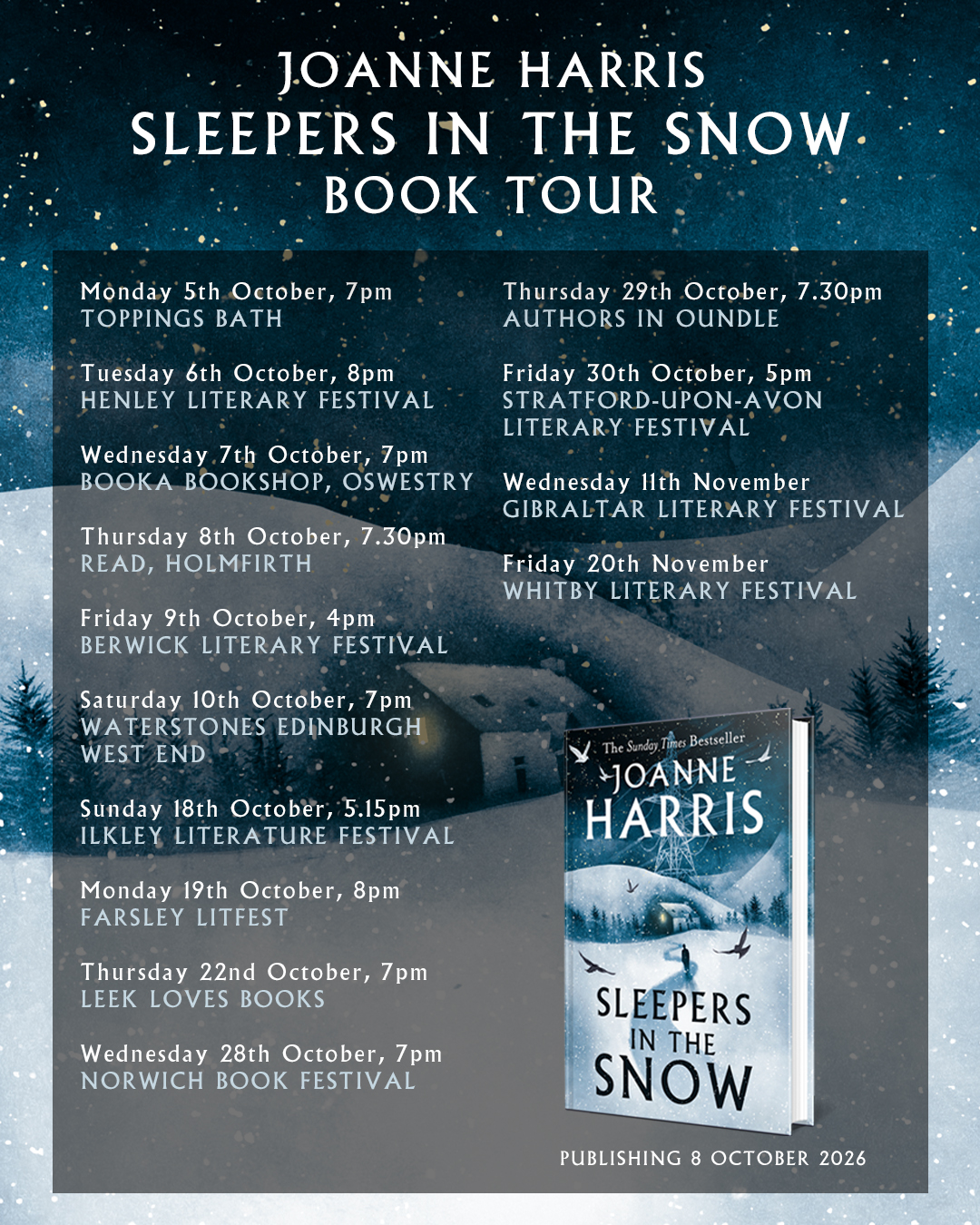
It’s now less than 2 weeks before SLEEPERS IN THE SNOW hits the bookshelves! I’ll be doing a tour of festivals, bookshops and more throughout October. Here’s a link to book tickets:

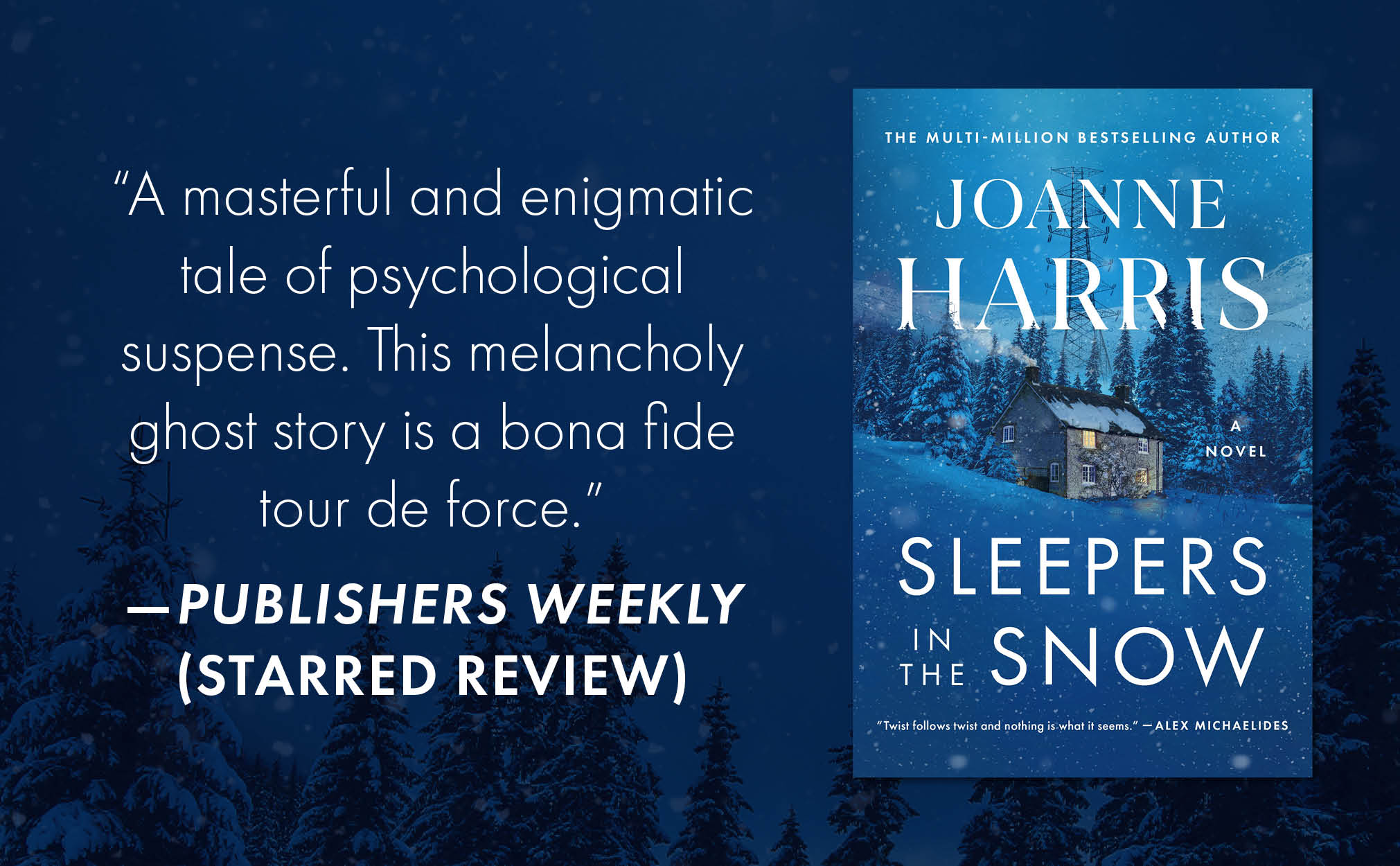
Some great pre-publication reviews:

Publishers Weekly

Bewitching Books, Ravenous Reads

Red Magazine

And to get us into the seasonal mood, here’s a list of some of my favourite horror movies…

It takes a lot for a movie to genuinely scare me. So many American horror movies are based on the assumption that we all believe in the Christian devil, so tales of demons, demonic possession and exorcisms are unlikely to land well with me unless they also come with a side of ambivalence or psychological insight. I do believe in monsters, though, especially the human kind, and in the stories we tell ourselves to rationalize our deepest fears.

These films – all classics – all play with the idea of unreliable narrators, mental illness, trauma and the juxtaposition of the everyday and the monstrous, often within the context of a familiar environment gone wrong.

THE INNOCENTS (b/w, 1961): The original and best adaptation of Henry James’ TURN OF THE SCREW, made all the more creepy by the gorgeous cinematography – and the two politest kids in all of Hollywood.

NOPE (2022): Combining the big skies and open vistas of the Californian desert with a profound sense of oppression and unease, this tale of two siblings struggling to keep their father’s horse ranch afloat is overshadowed (literally) by something hiding in the clouds. Featuring one of the most genuinely frightening opening scenes I’ve ever come across.

THE BLAIR WITCH PROJECT (b/w, 1999): Conclusive proof that shaky black and white photography makes everything creepier, this film’s seminal “found footage” concept and unsettling, unresolved ending traumatized a whole generation.

A TALE OF TWO SISTERS (2003): This masterpiece of Korean horror relies on visual poetry and a glacial, ominous build-up to a genuinely brilliant twist.

ONIBABA (b/w, 1964): A woman and her daughter-in-law live in a desolate field of susuki grass, which grows taller than their home. They eke a meagre living from murdering passing samurai and selling their effects to buy food, dumping the bodies in a well hidden in the grass. The deep unease of the storyline is highlighted by the claustrophobic, cage-like effect of the long grass, and its continuous, ghostly whispering.

DARK WATER (2002): The original Nakata movie: far superior to the lukewarm American remake, it combines mundane details to create a tapestry of suburban unease, in which the rain becomes a vehicle for the most unsettling of ghost stories.

THE BABADOOK (2014): A beautifully rendered story of the troubled relationship between a mother and child, in which the monster serves as a metaphor for trauma, grief and depression.

THE ORPHANAGE (2007): A young woman, Laura, fulfils her dream of taking over the orphanage in which she was raised as a child. She moves in with her husband and their adopted son, hoping to take in other children. But when her son vanishes without trace in the wake of ghostly happenings, and Laura attempts to process her grief, she begins to understand the place’s secret history. Poetic, and superbly haunting.

 LES DIABOLIQUES (b/w, 1955): The brilliant French original (ignore the pointless US remake) features the abusive headmaster of a French boarding-school, who becomes the victim of a murder plot planned by his wife and his mistress. A closed environment, an undertone of religious guilt, a gradual escalation of dread and a Christie-like twist at the end all contribute to the film’s reputation as a classic.

See news archive